
Natural and man-made emergencies are becoming more frequent, more complex, and more severe across the world. From extreme weather events and infrastructure failures to public safety incidents, communities today require communication systems that can deliver accurate, secure, and immediate information to people who are most at risk.
Wireless Emergency Alerts (WEA) technology plays a critical role in modern public safety communication by enabling authorities to reach mobile users within affected areas in seconds. As a trusted leader in advanced emergency alerting solutions, Global Alerts Corp helps governments and public safety agencies leverage WEA technology to strengthen preparedness, response, and community resilience.
This blog explores what WEA technology is, how it works, why it matters, and how organizations can use it effectively to deliver secure mobile emergency messaging.
What Are Wireless Emergency Alerts (WEA)?
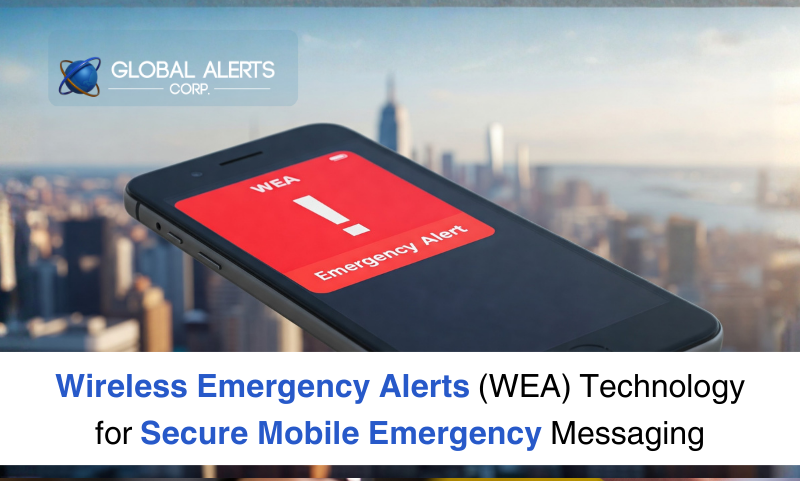
Wireless Emergency Alerts are short, authoritative emergency messages sent directly to mobile phones within a defined geographic area. These alerts are issued by authorized public safety agencies to warn residents and visitors about serious and time-sensitive threats.
A key strength of WEA is its simplicity and reach. Alerts are delivered without requiring phone numbers, mobile apps, user registration, or subscription services. Messages appear directly on compatible mobile devices, accompanied by attention-grabbing tones and vibrations, ensuring they are noticed even when users are not actively using their phones.
WEA was developed through collaboration between government agencies and wireless carriers to provide a reliable, nationwide public warning capability.
Core Principles of Wireless Emergency Alerts Technology
WEA technology is built around three essential principles:
1. Speed
During emergencies, minutes — and sometimes seconds — can make a life-saving difference. WEA messages are delivered almost instantly after issuance, helping people take protective action as early as possible.
2. Precision Through Geo-Targeting
Unlike traditional mass notifications, WEA uses geographic targeting. Authorities define the specific area affected by an emergency, and only mobile devices located within that zone receive the alert. This precision reduces unnecessary alarm, minimizes alert fatigue, and improves public trust.
3. Accessibility and Reach
WEA alerts are designed to reach nearly all modern mobile phones, including basic handsets, without requiring data connections, apps, or opt-ins. This broad accessibility ensures inclusive communication across diverse populations.
How Wireless Emergency Alerts Work
The WEA process follows a streamlined and secure workflow:
Alert Initiation
An authorized agency — such as a weather service, emergency management authority, or public safety department — determines that an alert is necessary. The agency prepares a concise message and defines the geographic area to be targeted.
Secure Alert Submission
The alert is submitted through a secure alerting platform into the WEA system. Platforms provided by organizations like Global Alerts Corp enhance this step by offering validation, templates, and safeguards that reduce errors and speed up delivery.
Carrier Broadcast
Wireless carriers broadcast the alert to all compatible devices within the defined geographic area. No personal data or phone numbers are accessed or stored.
Alert Reception
People within the affected zone receive the alert instantly, typically accompanied by a distinctive tone, vibration, and on-screen message with clear instructions.
From initiation to delivery, the entire process typically takes only seconds.
Types of Wireless Emergency Alerts
The WEA system supports several alert categories, each governed by strict authorization controls:
Imminent Threat Alerts
Issued for serious threats such as severe weather, earthquakes, flooding, or other dangerous conditions that require immediate action.
AMBER Alerts
Used in child abduction cases to rapidly mobilize the public with time-critical information.
Public Safety Alerts
Cover other localized safety incidents, including hazardous material spills or active public safety threats.
Presidential Alerts
Reserved for national emergencies and issued at the highest level of authority.
These categories ensure alerts remain credible, relevant, and trusted.
Why Wireless Emergency Alerts Matter
Wireless Emergency Alerts are a cornerstone of modern emergency communication for several reasons:
- Faster awareness leads to safer outcomes, allowing individuals to respond appropriately
- Broad reach ensures inclusivity, regardless of device type or subscription status
- Location-specific targeting improves relevance and reduces confusion
- Secure system design protects alert integrity and public trust
Together, these benefits make WEA one of the most effective tools available for public warning.
How Global Alerts Corp Enhances WEA Capabilities
While WEA provides the national broadcast infrastructure, Global Alerts Corp enhances its effectiveness through advanced alert management solutions.
Intelligent Alert Management
Our platform enables agencies to:
- Use pre-approved templates for faster alert creation
- Automate alerts for common scenarios
- Combine WEA with SMS, email, voice, and other channels
- Monitor delivery and performance in real time
Security and Compliance
All alert workflows are designed to meet regulatory requirements while protecting systems from unauthorized access or misuse.
Training and Operational Support
We support agencies with training, best-practice guidance, and ongoing assistance to ensure alerts are issued clearly, confidently, and effectively.
Best Practices for Effective WEA Use
To maximize the impact of Wireless Emergency Alerts, agencies should:
- Keep messages short, clear, and action-oriented
- Use pre-defined templates for common emergencies
- Conduct regular testing and drills
- Integrate WEA into a multi-channel alerting strategy
The Future of Wireless Emergency Alerts
As mobile networks evolve and technologies like 5G and connected devices expand, WEA capabilities will continue to advance. Future developments may include richer content, improved localization, and deeper integration with smart infrastructure — further strengthening community resilience.
Global Alerts Corp remains committed to helping public safety agencies adapt to these advancements with secure, future-ready solutions.
Conclusion
In an environment where emergencies are increasing in frequency and impact, Wireless Emergency Alerts technology provides a fast, precise, and reliable way to protect lives and property. By delivering authoritative information directly to people in affected areas, WEA empowers communities to respond effectively when it matters most.
By partnering with Global Alerts Corp, organizations can elevate their emergency communication strategy with advanced tools, strong security, and expert support.
To learn more about WEA-integrated alerting solutions, visit
👉 https://www.globalalertscorp.com/